Understanding Warranty Options for Outdoor Dehumidifiers
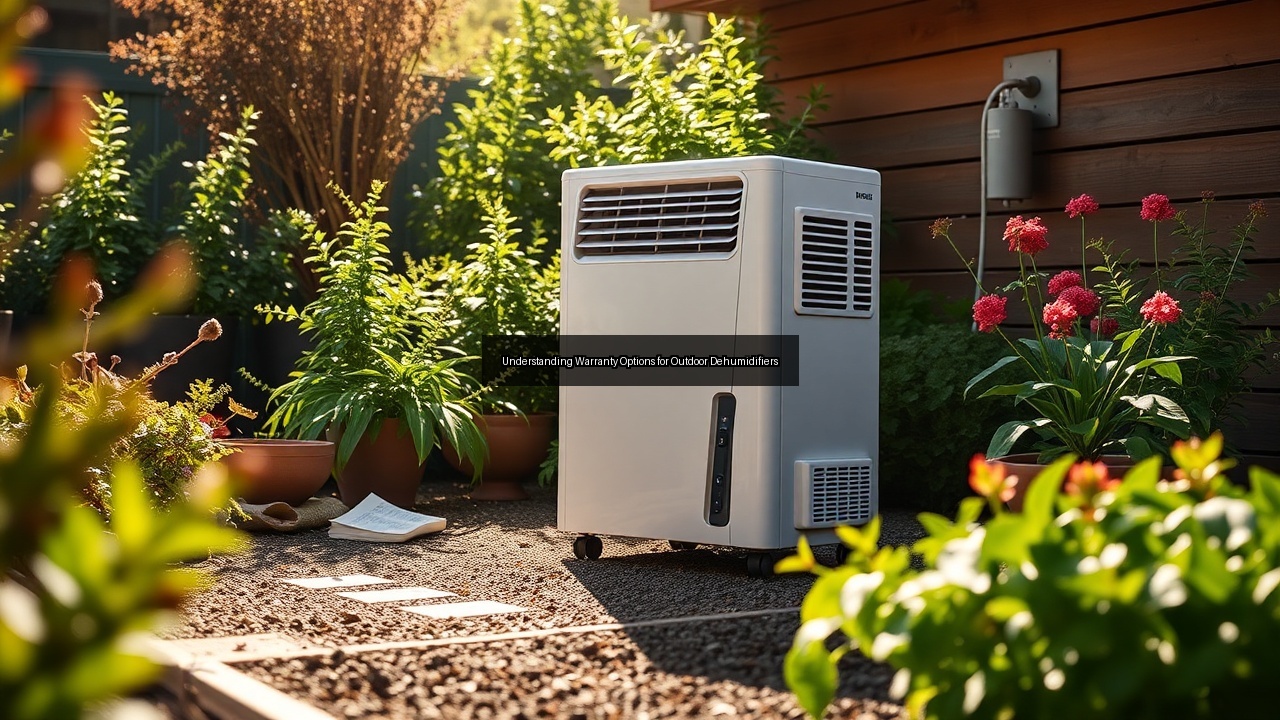
The Importance of Outdoor Dehumidifiers in Humidity Control
Understanding Humidity and Its Effects on Outdoor Spaces
Humidity significantly influences outdoor environments, affecting not just comfort levels but also the integrity of structures and the health of plants. High humidity promotes the growth of mold and mildew, which can damage wooden decks, patios, and outdoor furniture. It can also create uncomfortable conditions for outdoor activities and gatherings. A high moisture content in the air leads to a sticky feeling that can deter people from enjoying their outdoor spaces. Furthermore, excess humidity can attract pests, making outdoor areas less inviting. An outdoor dehumidifier plays a crucial role in humidity control, ensuring that outdoor spaces remain comfortable and well-maintained.
How Dehumidifiers Work: The Science of Dehumidification
Dehumidifiers operate based on a straightforward yet effective principle of moisture removal. They draw in humid air through a fan, passing it over cold coils. This process cools the air, causing moisture to condense and collect in a tank. The dry air is then reheated and released back into the environment. This continuous cycle effectively reduces the overall humidity level in the area. Some outdoor dehumidifiers also feature a compressor, which enhances this process by increasing efficiency and allowing the unit to operate at lower temperatures. Understanding how dehumidification works helps users appreciate the technology behind these devices and their importance in managing moisture effectively.
Benefits of Using Outdoor Dehumidifiers for Moisture Management
Outdoor dehumidifiers offer numerous benefits, particularly in areas prone to high humidity. First, they enhance comfort by lowering humidity levels, making outdoor activities more enjoyable. Second, they protect outdoor furniture and structures from moisture-related damage, extending their lifespan. Third, these units help maintain air quality by reducing allergens and pollutants that thrive in humid environments. Additionally, outdoor dehumidifiers can lower energy costs by improving the efficiency of HVAC systems. With reduced humidity, air conditioning units work less to cool spaces, leading to lower electricity bills. Overall, investing in an outdoor dehumidifier is a proactive approach to moisture management, ensuring a comfortable and safe outdoor environment.
Warranty Options for Outdoor Dehumidifiers
Types of Warranties: What to Expect
When purchasing an outdoor dehumidifier, understanding warranty options is essential. Manufacturers typically offer different types of warranties, ranging from limited to full coverage. A limited warranty usually covers specific parts and may air dehumidifier not include labor for repairs. Full coverage warranties offer broader protection, including labor costs. Some brands provide extended warranties for additional peace of mind, which may require registration within a certain period after purchase. Knowing the types of warranties available helps consumers make informed decisions and ensures they choose a product that offers adequate protection against potential issues.
Key Features Covered by Warranties
Warranties for outdoor dehumidifiers often cover essential components such as the compressor, fan motor, and electronic controls. These features are critical for the unit's operation and efficiency, making their coverage vital. Some warranties also cover the tank, ensuring that users are protected against leaks and other defects. However, coverage can vary significantly between brands and models, so it's essential to read the warranty details thoroughly. Consumers should also consider the length of coverage, as some warranties last for only one year while others can extend up to five years or more for specific parts. Understanding what features are covered helps users avoid unexpected repair costs.
Understanding the Fine Print: Limitations and Exclusions
Choosing the Right Outdoor Dehumidifier
Factors to Consider: Size, Capacity, and Energy Efficiency
Selecting the right outdoor dehumidifier involves considering several critical factors. Size and capacity play a significant role in determining the effectiveness of the unit. The capacity of a dehumidifier is usually measured in gallons per day, indicating how much moisture it can remove from the air. For larger outdoor spaces, a unit with a higher capacity is necessary to maintain optimal humidity levels. Additionally, energy efficiency is crucial, especially for those looking to minimize electricity costs. Look for models with Energy Star ratings, which signify that the unit meets strict energy efficiency guidelines. Balancing these factors ensures you select an outdoor dehumidifier that meets your needs effectively.
The Role of Energy Star Ratings in Selecting a Dehumidifier
Energy Star ratings provide valuable guidance when choosing an outdoor dehumidifier. These ratings indicate that a product meets energy efficiency criteria set by the Environmental Protection Agency (EPA). Energy-efficient dehumidifiers consume less electricity, reducing operational costs and environmental impact. Models with Energy Star ratings often feature advanced technology, such as improved compressors and efficient fan systems, enhancing performance while minimizing energy consumption. When shopping for an outdoor dehumidifier, prioritizing Energy Star-rated options can lead to substantial savings over time, making them an excellent investment for both your wallet and the planet.
Comparing Industrial vs. Residential Outdoor Dehumidifiers
Understanding the difference between industrial and residential outdoor dehumidifiers is essential for making an informed choice. Industrial models are designed for larger spaces and higher moisture removal capacities, often exceeding 100 pints per day. They typically feature robust construction, allowing them to withstand harsh conditions and continuous operation. In contrast, residential dehumidifiers are smaller and geared toward typical home use, making them ideal for moderate humidity control in patios or workshops. While industrial units may come with a higher price tag, they offer superior performance for extensive dehumidification system dehumidification needs. Assessing your specific requirements will help determine which type of outdoor dehumidifier best suits your situation.
Maintenance and Care for Longevity of Your Dehumidifier
Routine Maintenance Practices for Optimal Performance
Regular maintenance is crucial for ensuring the longevity and performance of outdoor dehumidifiers. Routine practices include cleaning or replacing filters every few months to maintain airflow and efficiency. Checking the water tank for any signs of leaks or buildup is also essential; a clean tank prevents bacteria growth and ensures optimal moisture extraction. Additionally, inspecting the coils for dirt and debris can enhance performance. If the unit features a duct system, ensuring that ducts are clean and unobstructed is vital for proper airflow. Implementing these maintenance practices helps users maximize their dehumidifier's efficiency and extends its operational lifespan.
Signs Your Dehumidifier Needs Repair or Replacement
Recognizing signs that your outdoor dehumidifier needs repair or replacement is crucial for maintaining effective moisture control. Common indicators include unusual noises, inconsistent humidity levels, or frequent cycling on and off. If the unit fails to extract moisture efficiently, even after maintenance, it may be time for a replacement. Additionally, if the unit is leaking or showing signs of corrosion, these issues can signify that repairs might not be cost-effective. Keeping an eye on these signs allows users to address problems promptly, ensuring that outdoor spaces remain comfortable and free of excess moisture.
Energy Saving Tips for Efficient Operation
To maximize the efficiency of outdoor dehumidifiers and reduce electricity costs, users can adopt several energy-saving tips. First, position the unit in a location with good airflow, away from direct sunlight and heat sources. This positioning allows the dehumidifier to operate more efficiently. Additionally, keeping doors and windows closed while the unit is running prevents excess moisture from entering the space. Setting the humidity level to a comfortable range, rather than the lowest setting, can also enhance efficiency. Regular maintenance, such as cleaning filters and coils, further optimizes performance. Implementing these tips ensures that outdoor dehumidifiers operate efficiently, providing effective moisture control while minimizing energy consumption.